
Comment entretenir vos plantes d’intérieur
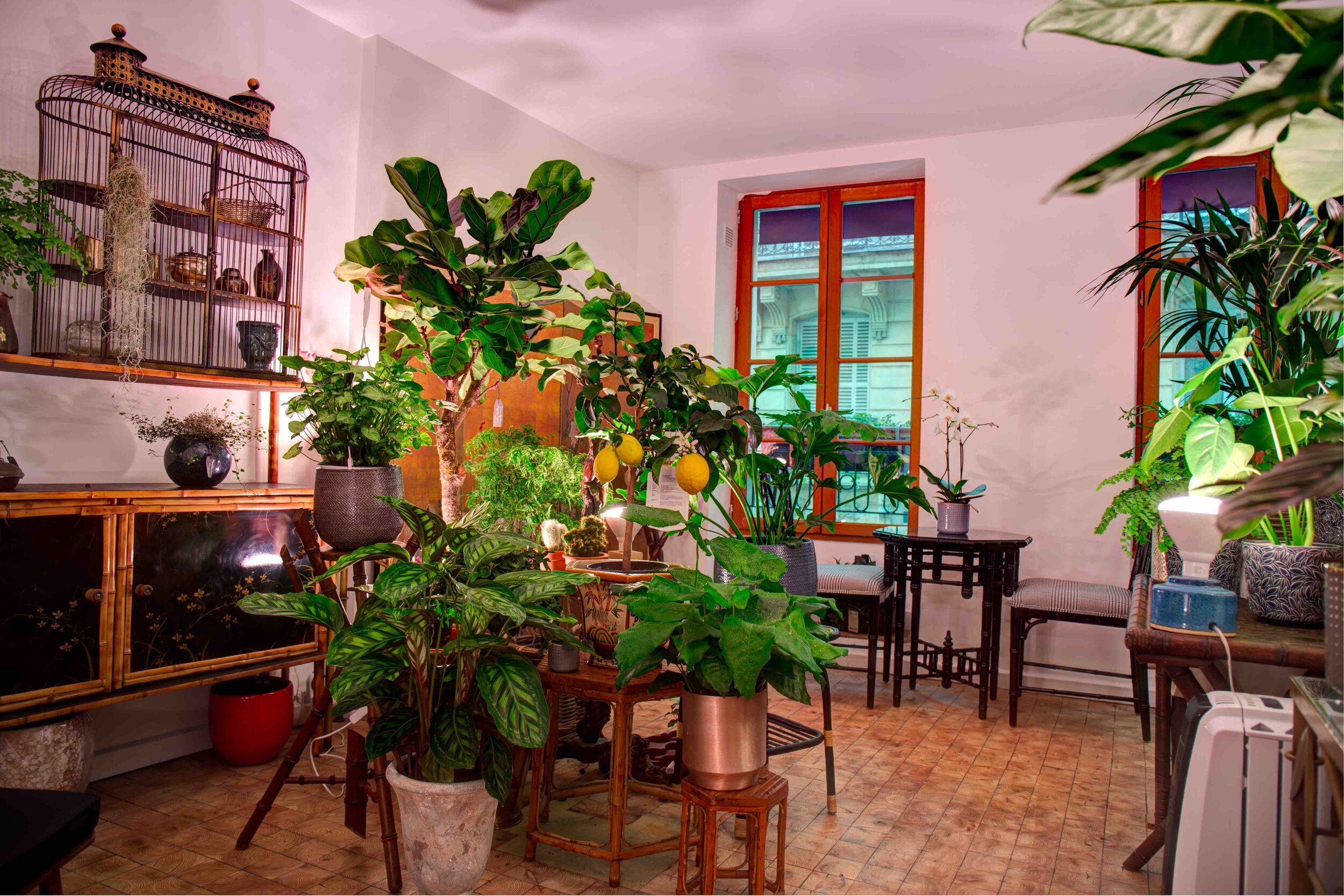
Houseplants encompass a vast array of plant species. Most of them, especially those with decorative foliage, originate from tropical rainforests. Therefore, for these plants to thrive indoors, it's essential to recreate their natural environment.
3 essential factors for plant growth:
- Light
No plant can live without light. Light is essential for plants, which synthesize their nutrients under the influence of sunlight. Place your houseplants in the brightest spots in your home, generally within two meters of windows. However, avoid direct sunlight in summer because in their natural habitat, these plants are protected by trees and therefore never exposed to the sun. The ideal location for houseplants is near an east-facing window. As a general rule, the darker the green of its foliage, the more light a plant needs. Plants with variegated or purple foliage need less light. Artificial lighting (grocery lamps) allows you to place plants in the darkest spots.
- Temperature
Most houseplants tolerate the temperature of our apartments, between 15-25°C (59-77°F), but they are susceptible to excessive heating, which dries them out. Most plants appreciate a period of dormancy during the winter, which involves a drop in temperature of a few degrees. Furthermore, these plants, especially flowering ones, benefit from a temperature variation of 2-3°C between day and night. For this, a heater equipped with a thermostat is necessary. Finally, avoid drafts.
- Humidity
As in tropical rainforests, houseplants appreciate a humid atmosphere, which is rarely the case in our apartments. To prevent plants from drying out, maintain high humidity, particularly when it is hot or when the heating is on. To do this, regularly mist the foliage, especially when the heating is above 18°C. This is essential.
Watering your plants
There's no strict rules for watering houseplants; it varies depending on the ambient humidity, temperature, etc. However, with the exception of ferns, cacti, and semi-aquatic plants, water regularly and wait until the surface of the soil is dry before watering again. Regularly touch the soil with your finger; this is the best way to tell if it needs watering.
You can water from the top (on the surface), but we recommend soaking or immersion watering: submerge your plant's pot in a bucket or sink basin filled with water, so the water level just covers the surface of the root ball. Keep the pot submerged for a few seconds; air bubbles will form and rise from the soil. When no more bubbles are rising, remove the pot and let it drain before placing it back in its decorative pot.
Houseplants, especially in winter, are susceptible to overwatering, which quickly leads to rot. An hour after watering, empty any remaining water from the saucer or cachepot. Ideally, use soft water (mineral water, rainwater, or add a few drops of oxalic acid or vinegar per liter of water).
Fertilizing your plants
Apply fertilizer during the growing season, primarily between March and September. The application frequency depends on the product you choose and its form (liquid, powder, stick). Never exceed the recommended dosage for the product.
Repotting your plants
Repot a plant when its root system becomes too large and fills the root ball, when growth slows (few new leaves, and they are smaller), or when it flowers poorly. In all cases, choose a container that is 2 or 3 cm larger in diameter than the old one.
Drainage is essential: place clay pebbles or gravel at the bottom of the pot.


And some mistakes to avoid…
Overwatering plants
A plant primarily needs water and light to thrive; in just the right amount! However, the biggest challenge for amateur gardeners is managing watering... too often excessive, it literally drowns houseplants. It's better to wait until they show signs of needing water rather than anticipating it too much. And even if you've gotten into the habit of watering only once a week, this shouldn't be a routine. The golden rule is to let the soil dry out between waterings: touch it; if it's still cool and sticky, don't water; if it's at room temperature and completely dry, then you can water. Depending on the season and conditions, plants may not need water every week or, conversely, may need watering twice a week (during a heatwave, for example). Also, keep in mind that the thinner the leaves, the more often you need to water them because the water evaporates more quickly. and that stagnant water causes the roots to rot.
Keep the plants indoors all year round
While houseplants are tropical and need a constant temperature between 15 and 25°C, in spring, when outdoor temperatures are ideal, a little outdoor rejuvenation is very beneficial. Take them outside in a spring rain, which will cleanse their leaves with water that is neither hard nor chlorinated—they love it! But avoid direct sunlight, and do it gradually. In summer, most houseplants benefit from spending time in the garden or on a balcony; just avoid putting out small or delicate species.